


Unlocking Strategic Benefits: How Benfit.care's Analytics Transforms HR Decision-Making in India
Employee benefits analytics India, HR data analytics, Group health insurance cost optimisation, Predictive analytics HR, Employee wellness program ROI, Benefits management platform India, Benfit.care analytics, Corporate benefits strategy, HR technology I
In the dynamic landscape of Indian corporate life in 2026, employee benefits have evolved from mere perks to strategic imperatives. Companies are grappling with rising healthcare costs, a diverse multi-generational workforce, and the urgent need to retain top talent amidst fierce competition. Traditional, reactive approaches to benefits management are simply no longer enough. HR and finance leaders are increasingly seeking proactive, data-driven strategies to ensure their benefits programmes are not just competitive, but also cost-effective and genuinely impactful.
This is where Benfit.care steps in, transforming the way Indian businesses manage and optimise their employee benefits. Our platform goes beyond digitisation, offering powerful analytics that unlock actionable insights, turning raw data into strategic intelligence.
The Evolving Landscape of Employee Benefits in India (2026)
The Indian corporate ecosystem is characterised by rapid growth and unique challenges. Healthcare inflation continues its upward trajectory, making Group Health Insurance (GHI) a significant and often unpredictable expenditure. At the same time, employee expectations are shifting. Gen Z and millennials prioritise mental well-being, flexible benefits, and personalised wellness programmes. The hybrid work model, increasingly prevalent, adds another layer of complexity to benefits administration and engagement.
For HR managers and CHROs, the pressure is immense:
- Cost Control: How to manage escalating GHI premiums without compromising coverage?
- Employee Engagement: Are our wellness programmes truly resonating and improving employee health?
- Compliance: Keeping pace with evolving regulatory frameworks while managing diverse policies.
- Talent Retention: Ensuring benefits packages are attractive enough to draw and keep the best talent.
Without robust data and analytical capabilities, these challenges often lead to guesswork, inefficient spending, and missed opportunities.
Beyond Reports: The Power of Predictive Analytics in Benefits Management
Many benefits platforms offer basic reports – a summary of claims or enrolment numbers. While useful, these reports are often historical and reactive. Benfit.care takes it a significant step further with advanced analytics, including predictive modelling, that empowers HR and finance teams to anticipate future trends and make proactive decisions.
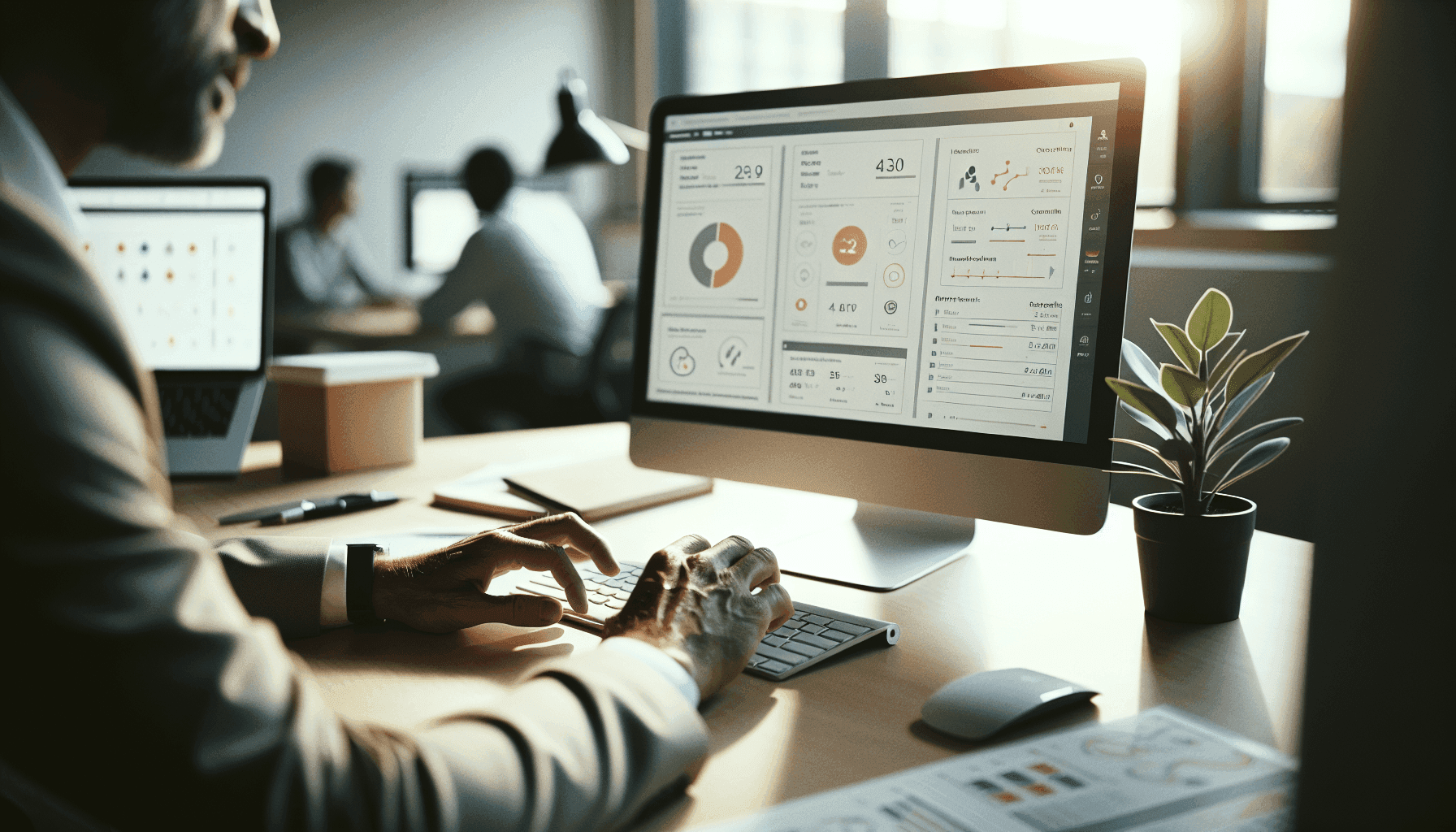
Our analytics dashboard provides a panoramic view of your benefits landscape, offering:
- Real-time Utilisation Data: See what benefits employees are actually using, when, and how frequently.
- Cost Breakdown & Trends: Understand where your benefits budget is going and identify areas of potential savings.
- Demographic Insights: Segment data by age, gender, location, or department to tailor benefits more effectively.
- Claims Pattern Analysis: Pinpoint high-frequency claims, common medical conditions, and potential health risks within your workforce.
Let's delve into a specific, high-impact use case: proactive cost optimisation for Group Health Insurance (GHI) and enhancing employee wellness programmes.
Use Case Spotlight: Proactive Cost Optimisation for Group Health Insurance (GHI)
GHI is often the largest component of an employee benefits budget. Renewals can be a stressful time, with insurers often proposing significant premium hikes based on historical claims. Benfit.care's analytics transforms this reactive process into a strategic negotiation.
The Problem: A prominent IT services firm in Bangalore, employing over 5,000 people, faced perennial challenges with GHI renewals. Each year, their premiums rose by 15-20%, despite their best efforts to negotiate. They lacked granular data to challenge insurer proposals effectively or to identify underlying causes of high claims.
Benfit.care's Solution:
- Granular Claims Data Analysis: Benfit.care integrated all historical GHI claims data, breaking it down by diagnosis, treatment type, hospital network, employee demographics (age group, tenure), and even geographical location.
- Insight: The analytics revealed a disproportionate number of stress-related and musculoskeletal claims among employees aged 30-45, particularly those in high-pressure project management roles. It also highlighted a significant increase in claims from specific network hospitals known for higher billing practices for certain procedures.
- Predictive Modelling: Leveraging this historical data, Benfit.care's predictive algorithms forecasted potential future claims based on employee attrition rates, projected demographic shifts, and industry-specific health trends for 2026. This gave the HR team an evidence-based estimate of their likely claims burden for the upcoming year.
- Strategic Interventions & Negotiation: Armed with these insights, the HR team at the Bangalore firm took a multi-pronged approach:
- They initiated targeted mental wellness workshops and ergonomic assessments for the identified high-risk employee segments.
- They refined their preferred hospital network, encouraging employees to utilise facilities known for quality care at competitive rates, without compromising access.
- During renewal negotiations, they presented insurers with Benfit.care's detailed claims breakdown, the identified root causes, and their planned proactive interventions. This data-backed approach demonstrated their commitment to managing risk, leading to a more favourable negotiation.
- Result: The firm successfully negotiated a premium hike of just 8% – a significant reduction compared to previous years, saving them millions of rupees annually. Moreover, the targeted wellness programmes led to a noticeable drop in stress-related claims in the subsequent quarter, improving employee well-being and productivity.
Enhancing Employee Wellness and Engagement with Data-Driven Programs
Beyond cost control, Benfit.care's analytics is invaluable for building a healthier, more engaged workforce. Many companies invest in wellness programmes, but often struggle to measure their effectiveness or engagement levels.
The Problem: A large manufacturing company in Pune had invested heavily in a diverse wellness portfolio – gym memberships, yoga classes, health camps, and mental health helplines. However, participation was sporadic, and they couldn't discern which programmes delivered real value or how to improve engagement.
Benfit.care's Solution:
- Utilisation & Engagement Metrics: Benfit.care tracked sign-ups, attendance, and feedback for each wellness initiative through the employee self-service portal. It also correlated this data with overall employee health metrics (e.g., number of sick days, GHI claims related to preventive care).
- Insight: The data revealed that while gym memberships had low, consistent usage, their on-site health camps and nutrition workshops saw high, but infrequent, participation. Interestingly, the analytics also showed a segment of factory floor employees who were not engaging with digital wellness resources but showed high interest in physical challenges and team-based activities.
- Personalised Program Design: The HR team used these insights to pivot their wellness strategy:
- They re-evaluated the gym membership offering, considering a more flexible stipend model.
- They introduced inter-departmental fitness challenges and on-site basic health screenings for factory workers, which saw immediate high engagement.
- For their office employees, they focused on shorter, more frequent virtual workshops on topics like digital detox and desk ergonomics, identified as pain points through employee surveys integrated into the platform.
- Measuring ROI: Over time, Benfit.care's analytics allowed the company to track the impact of these revised programmes on key metrics like employee satisfaction scores, reduction in chronic disease-related GHI claims, and a slight decrease in absenteeism.
- Result: The manufacturing company saw a 25% increase in overall wellness programme participation within six months and a measurable improvement in employee health indicators, demonstrating a clear return on their wellness investment.
Benfit.care's Analytics: Your Strategic Advantage
For HR managers, CHROs, finance heads, and even insurance brokers managing corporate accounts, Benfit.care provides an indispensable tool. It transforms the complex world of employee benefits into a clear, data-driven strategy. You gain:
- Unparalleled Visibility: Real-time dashboards and customisable reports put all your benefits data at your fingertips.
- Actionable Insights: Move beyond raw data to understanding why trends are occurring and what actions to take.
- Proactive Decision-Making: Forecast costs, identify risks, and design benefits programmes that genuinely meet employee needs while aligning with business objectives.
- Enhanced ROI: Ensure every rupee spent on benefits delivers maximum value, both in terms of cost efficiency and employee well-being.
- Broker Empowerment: Insurance brokers can leverage these insights to offer more tailored, competitive, and value-driven proposals to their corporate clients, strengthening their client relationships.
In an era where every business decision is scrutinised for its impact on the bottom line and employee experience, Benfit.care's analytics is not just a feature – it's your strategic differentiator.
Ready to harness the power of data to revolutionise your employee benefits strategy? Visit www.benfit.care today to schedule a personalised demo and discover how our advanced analytics can empower your organisation to make smarter, more impactful benefits decisions.
Latest Blogs
Be the first one to know about latest happenings in the Insurtech sector.
Use cases
Reach us


Address

4th Floor, plot no. 341, Industrial Area, Phase 9, Mohali, Punjab, India - 160062

5, Izabella House, 24-26 Regent Pl, Birmingham B1 3NJ, United Kingdom
Powered by


© Copyright 2026 www.benfit.care. All rights reserved.