


How HR teams can centralize employee health records
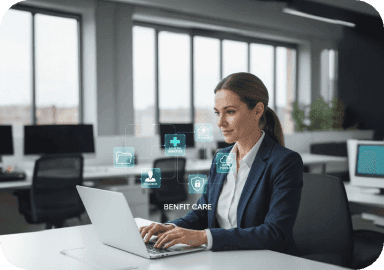
Discover practical ways HR teams can centralize employee health records to reduce data silos, ensure compliance, and deliver a smoother employee benefits experience.
Keeping employee health records updated and accessible is no longer just a compliance requirement tucked away in HR operations. In today’s data-driven benefits ecosystem, it has become a strategic advantage that directly impacts efficiency, employee experience, and long-term planning. For corporates working with insurers and distribution partners, well-maintained records form the foundation of smooth claims processing, accurate renewals, and effective wellness initiatives. When records are scattered across emails, spreadsheets, and physical files, even simple tasks such as verifying coverage or validating dependents can turn into time-consuming exercises. Over time, this inefficiency affects trust, delays support during critical moments, and limits the organisation’s ability to make informed benefits decisions.
As benefits distribution becomes more digital and experience-focused, the way employee health data is stored and managed must evolve too. HR teams are expected to respond faster, distributors rely on accurate data to negotiate renewals, and employees want reassurance that their information is secure and accessible when needed. Centralised, digital record management enables all stakeholders to work from a single source of truth. It reduces dependency on individuals, minimises errors, and creates consistency across the entire benefits lifecycle. More importantly, it allows organisations to move from reactive administration to proactive planning, using data insights to improve coverage design, cost optimisation, and employee wellbeing outcomes.
Key practices for streamlining employee health records
Move to secure, digital-first documentation Shifting away from physical files and long email threads is the first step toward efficiency. Cloud-based record storage ensures that medical documents, policy details, and dependent information are always accessible to authorised users. Digital documentation reduces the risk of loss, improves retrieval speed, and supports remote or hybrid HR operations without disruption.
Create structured classification and update cycles Organising records by employee ID, department, or policy type allows HR teams and distribution partners to quickly locate relevant information during claims, audits, or renewals. Equally important is setting regular update cycles. Encouraging updates during onboarding, renewals, or life events such as marriage or parenthood ensures records remain accurate and usable.
Embed privacy, compliance, and platform integration Health data is highly sensitive, making privacy and compliance non-negotiable. Platforms with strong data protection protocols, role-based access, and audit trails help organisations meet regulatory requirements while maintaining employee trust. When health records are integrated directly with benefits platforms, verification, claims processing, and renewals become significantly faster and more reliable.
Beyond operational efficiency, organised health records also strengthen collaboration within the benefits distribution ecosystem. Distributors gain cleaner data to analyse utilisation trends, identify coverage gaps, and support fact-based renewal discussions. Insurers receive accurate submissions with fewer discrepancies, reducing back-and-forth communication. HR teams save countless hours otherwise spent on manual cross-checking, allowing them to focus on employee engagement and strategic initiatives. Employees, in turn, experience smoother claims, clearer communication, and greater confidence that their organisation is equipped to support them during important moments.
In competitive talent markets, the quality of benefits administration often matters as much as the benefits themselves. Employees may not see the backend systems, but they feel the impact when claims are delayed or information is missing. By investing in structured, digital health record management, organisations create a more resilient and responsive benefits framework. Platforms like Benfit Care already enable HR teams to securely store, update, and manage employee health data in one place, while supporting distributors and insurers with reliable, real-time information. The result is a benefits ecosystem that stays compliant, efficient, and ready to scale, turning organised records into a true strategic asset rather than an administrative burden.
Latest Blogs
Be the first one to know about latest happenings in the Insurtech sector.
Use cases
Reach us


Address

4th Floor, plot no. 341, Industrial Area, Phase 9, Mohali, Punjab, India - 160062

5, Izabella House, 24-26 Regent Pl, Birmingham B1 3NJ, United Kingdom
Powered by


© Copyright 2026 www.benfit.care. All rights reserved.