


Remote and hybrid workforces: Rethinking benefits for a distributed team
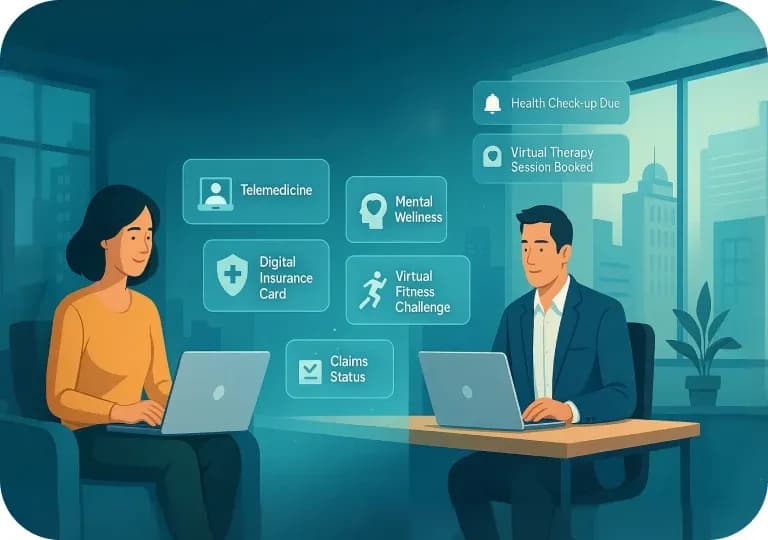
As remote and hybrid work becomes the norm, organizations must rethink employee benefits. Digital platforms like benfit.care help centralize health records, teleconsultations, wellness programs, and engagement tools, ensuring equitable access and higher participation.
Remote and hybrid work are no longer temporary trends. They are now a permanent part of how modern organisations operate. Teams are spread across cities, states, and sometimes countries, yet expectations around benefits remain universal. Employees want timely access to healthcare, mental wellbeing support, and wellness resources regardless of where they work from. At the same time, HR teams and distribution partners are under pressure to deliver consistent experiences without creating complex, location-specific processes. This shift has exposed a clear reality. Traditional, office-centric benefit models are no longer sufficient. One-size-fits-all structures struggle to address the diverse needs of distributed employees, leading to gaps in access, communication breakdowns, and lower overall engagement.
To support a geographically dispersed workforce, benefits must be designed with flexibility, inclusivity, and digital accessibility at their core. The focus should move from where employees work to how they experience support. That means ensuring every employee, whether working from home, a co-working space, or a regional office, can discover, understand, and use their benefits with equal ease. Digital-first benefits distribution plays a critical role in making this possible. When benefits information, claims processes, wellness resources, and communication channels live in one unified platform, organisations can maintain consistency while still allowing room for regional customization. The result is a benefits ecosystem that feels cohesive to employees and manageable for HR teams.
Key Elements of Benefits Designed for Remote and Hybrid Teams
-
Equal Access to Healthcare and Wellbeing Services Teleconsultations, digital prescriptions, and virtual specialist appointments remove location barriers. Employees no longer depend on proximity to specific hospitals or clinics to access care. Mental health services such as online therapy, stress management sessions, and mindfulness programs ensure emotional wellbeing support is always within reach, which is especially important for remote workers who may feel isolated.
-
Flexible and Location-Relevant Coverage Structures Distributed teams often have different cost-of-living realities and healthcare access levels. Benefits plans that allow regional adaptability in sum insured, outpatient allowances, and add-on options ensure relevance across geographies. This flexibility prevents situations where employees feel under-covered or overpaying for benefits that do not suit their context.
-
Digital Engagement and Visibility Virtual wellness challenges, online fitness programs, and preventive health campaigns help keep remote employees engaged with their benefits. When combined with clear communication and easy access to information, these initiatives increase utilization and reinforce a culture of wellbeing even without physical office interactions.
One of the biggest challenges for distributed workforces is visibility. Employees often do not know what benefits they have, how to use them, or where to go for support. HR teams, on the other hand, struggle to track utilization patterns across regions, making it difficult to refine benefits strategies. This is where modern benefits platforms become essential. Platforms like benfit.care centralize benefits management through a single dashboard that connects employees, HR teams, insurers, and distribution partners. Automated reminders, location-wise insights, engagement tools, and real-time claim tracking ensure that everyone stays informed and aligned.
From a distribution perspective, digital platforms also improve efficiency and transparency. Distributors gain a consolidated view of client accounts, utilization trends, and renewal data across multiple locations. This makes it easier to recommend optimizations, negotiate better terms, and demonstrate measurable value to corporate clients. Instead of reacting to issues, distributors can proactively advise on how benefits should evolve as the workforce becomes more distributed.
Why Digitally-Enabled Benefits Matter More Than Ever
-
Higher Participation and Utilization When benefits are easy to find and use, employees are more likely to engage with them regularly.
-
Lower Burnout and Absenteeism Access to mental health and preventive care reduces stress-related leave and improves overall wellbeing.
-
Stronger Retention and Employer Brand Employees stay longer with organisations that genuinely support their health and lifestyle needs.
Organisations that successfully adapt their benefits strategy for distributed teams see tangible outcomes. Employees feel supported regardless of location. HR teams spend less time resolving basic queries and more time on strategic initiatives. Distribution partners build stronger, more consultative relationships with clients by guiding them through this transformation.
In a world where work is no longer tied to a single place, benefits should not be either. By combining flexible plan design with digital-first benefits distribution and platforms like benfit.care, companies can create equitable, engaging, and future-ready benefits experiences. These experiences not only improve wellbeing but also build the foundation for long-term workforce stability and business growth.
Latest Blogs
Be the first one to know about latest happenings in the Insurtech sector.
Use cases
Reach us


Address

4th Floor, plot no. 341, Industrial Area, Phase 9, Mohali, Punjab, India - 160062

5, Izabella House, 24-26 Regent Pl, Birmingham B1 3NJ, United Kingdom
Powered by


© Copyright 2026 www.benfit.care. All rights reserved.