Preventive Healthcare Adoption: How Indian Employees Leverage Wellness Programs for Better ROI
Exploring how Indian companies and employees are adopting wellness programs to drive preventive healthcare and achieve measurable business ROI.

Preventive Healthcare Adoption: How Employees Are Using Wellness Programs to Stay Healthier
In today’s competitive Indian corporate landscape, employee health is not just a personal concern but a strategic business priority. Companies increasingly recognize that investing in preventive healthcare via wellness programs delivers tangible returns—not only in improved employee well-being but in enhanced productivity, cost savings, and talent retention. As HR managers and benefits decision-makers navigate the complexities of group health insurance and benefits administration, the adoption of structured wellness initiatives is proving to be a game changer.
The Indian Corporate Shift Toward Preventive Healthcare
The rise in chronic diseases, rising healthcare costs, and growing awareness of lifestyle impacts are driving Indian companies to pivot towards preventive care solutions. According to industry surveys, over 60% of large and mid-sized Indian enterprises have integrated wellness programs that target key health areas like diabetes management, heart health, and mental wellness. This shift aligns well with government initiatives such as the National Digital Health Mission and corporate mandates to promote employee well-being holistically.
For instance, a leading Bengaluru-based IT firm introduced biometric health screenings and personalized lifestyle coaching as part of its corporate wellness program in 2025. Within a year, the company saw a 20% reduction in sick days taken and a measurable improvement in employee engagement scores. This example reflects a broader trend across sectors where employees are encouraged—not just nudged—to take ownership of their health proactively.
How Employees Are Engaging With Wellness Programs
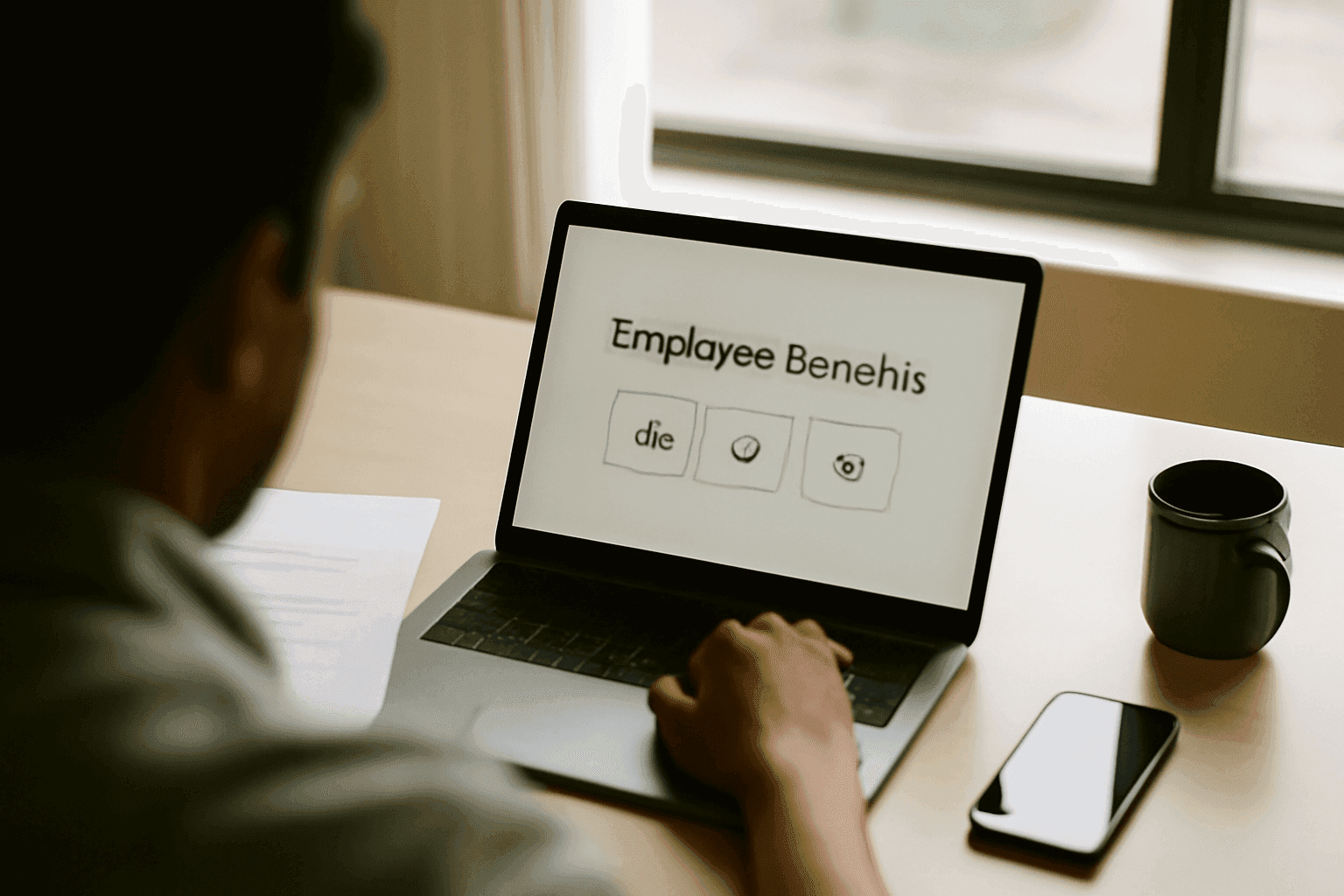
The success of wellness programs depends heavily on employee participation and sustained engagement. Indian employees today prefer digital-first approaches, which provide convenience and real-time feedback. Platforms offering self-service portals empower employees to access policy details, track wellness activities, submit claims electronically, and receive personalized health insights.
Gamification and incentives are increasingly popular. For example, employees earn points for completing health assessments, attending fitness sessions, or quitting smoking, which can be redeemed for rewards such as gift cards or premium benefits upgrades. This model cultivates a culture of health consciousness and accountability, turning wellness from a benefit into an everyday habit.
Additionally, mental health has emerged as a critical pillar, with companies integrating counseling services and stress management workshops. Employees accessing these services report lower absenteeism and higher job satisfaction, further amplifying wellness ROI.
The Business Impact: ROI of Wellness Adoption
From a finance perspective, wellness programs are no longer just a “nice-to-have.” Companies using data-driven platforms like Benfit.care can analyze benefits utilization to correlate wellness participation with healthcare claims trends and productivity metrics.
Early adopters have reported a 10-15% reduction in health insurance claims costs linked directly to preventive screenings and lifestyle interventions. These cost savings complement softer but equally vital outcomes—reduced presenteeism, higher morale, and better employee retention.
For insurance brokers and corporate benefits consultants, promoting wellness programs alongside group health plans enhances client trust and adds value to policy renewals. Brokers leveraging real-time analytics to tailor wellness offerings improve client satisfaction and wallet share.
Real-Time Analytics: The Enabler of Smarter Decision-Making
Benfit.care’s real-time analytics provide HR teams and brokers with comprehensive insights—tracking enrolment rates, claims by wellness participation, and cost impact over time. This data-driven approach allows HR managers to fine-tune program design, identify at-risk groups, and foster targeted interventions, ultimately maximizing ROI.
For example, one Mumbai-based manufacturing company used such analytics to identify a spike in hypertension claims among employees aged 35-45. They introduced focused dietary workshops and health coaching, which noticeably improved health outcomes and claims performance in the subsequent renewal cycle.
Empowering HR and Finance Leaders for Sustainable Wellness
Integrating wellness into corporate benefits requires seamless digital management—something traditional manual processes cannot support. HR leaders benefit extensively from platforms that consolidate health insurance, wellness initiatives, enrolments, and compliance, significantly reducing administrative overhead.
Finance heads gain clarity on how wellness investments translate to benefits cost optimization and workforce productivity. This transparency fosters stronger alignment between HR strategy and business objectives, fueling long-term value creation.
Final Thoughts: Make Preventive Healthcare Your Competitive Edge
In an Indian market that’s rapidly evolving, wellness programs anchored in preventive healthcare are no longer optional but imperative. Companies that embrace these offerings and actively engage employees via digital platforms will unlock significant business benefits—from lower insurance claims to a more resilient, motivated workforce.
Benfit.care is uniquely positioned to help your organization digitize and manage group health insurance and wellness programs with full transparency and control. Empower your HR teams, brokers, and employees through a single, user-friendly platform and start realizing the ROI of preventive healthcare today.
Visit www.benfit.care to learn how your business can harness the power of wellness programs for healthier, happier employees and stronger business performance.